
How to Host Your First Mafia Game Night
Step-by-step instructions for setting up rules, assigning roles, and managing discussions so everyone stays engaged from start to finish.
Why Mafia Works
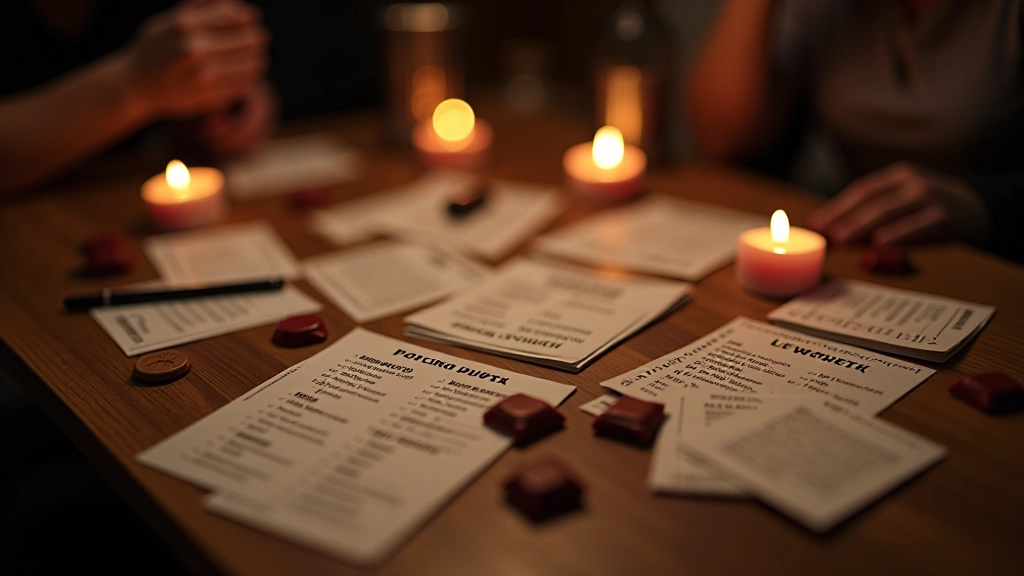
There’s something magical about gathering a group around a table when the lights dim and someone says, “Everyone close your eyes.” Mafia isn’t about luck or strategy in the traditional sense — it’s about reading people, building tension, and watching friendships tested under pressure.
We’ve hosted dozens of these nights, and honestly, the best part isn’t the winning or losing. It’s watching someone’s face when they realize their best friend was lying the entire time. It’s the accusations, the nervous laughs, the desperate defenses. It’s real.
The good news? You don’t need a fancy venue or professional equipment. You need a table, some people who trust each other enough to play mind games, and someone who understands the basic structure. That’s what we’re covering today.

The Setup: Before You Start
Getting the environment right makes everything else easier.
Gather Your Players
Mafia works best with 6-12 players. Any fewer and it gets predictable; any more and discussions drag. For your first time, aim for 8-10 people who know each other reasonably well — not necessarily close friends, but comfortable enough to joke around and read each other’s behavior.
Choose Your Space
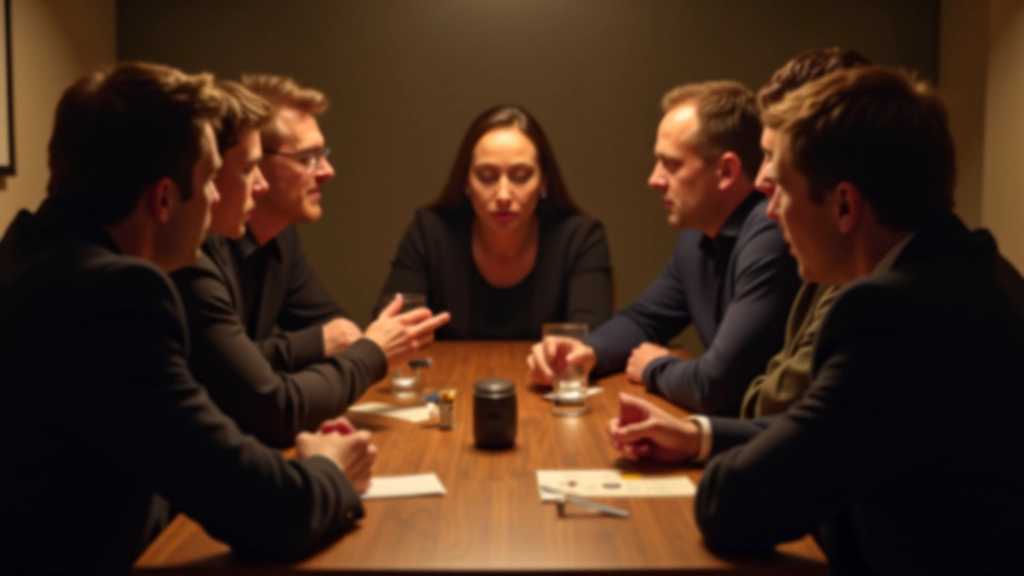
You need a room where people can sit in a circle or around a table, with minimal distractions. Phones away. Dim the lights slightly — it creates atmosphere and makes people focus. A living room works perfectly. Avoid restaurants or loud bars where you can’t hear each other.
Prepare Your Materials
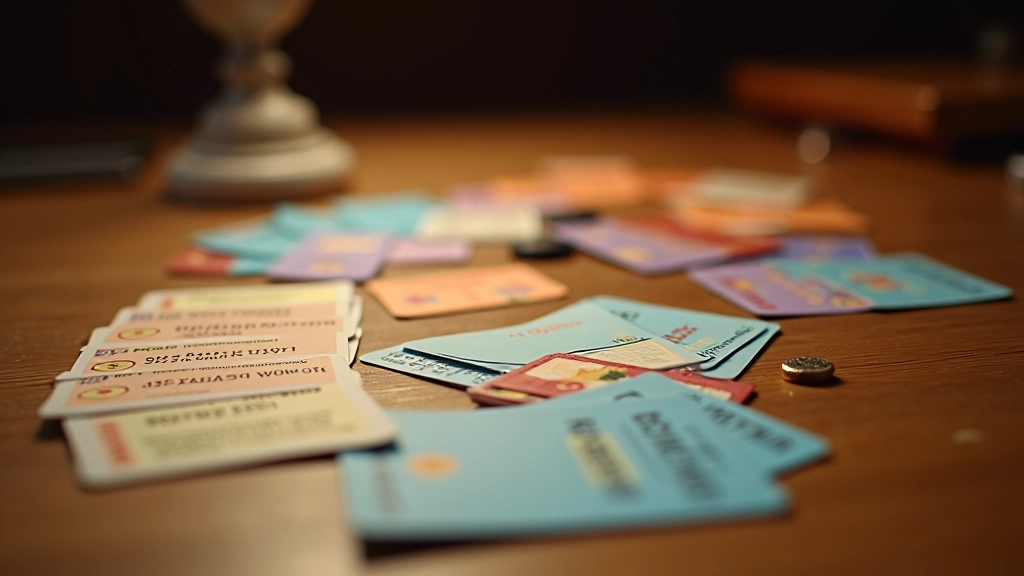
You’ll need role cards (printed or handwritten index cards), a moderator’s script, and a way to track the game. Print simple role cards: Mafia members (1 per 3 players), Doctors, Detectives, and Villagers. A piece of paper to track who’s who works fine — you don’t need fancy game boards.
Understanding the Roles
Every player gets assigned a secret role at the start. The tension comes from not knowing who’s who. Here’s what you’re working with:
The Mafia (1-4 players): They know each other and meet secretly each night to eliminate someone. Their goal is to outnumber the villagers.
The Doctor (1 player): Can save one person per night from the Mafia’s elimination. They don’t know who the Mafia are.
The Detective (1 player): Can investigate one person per night to learn their role. They’re the villagers’ best hope.
Villagers (remaining players): They know nothing. Their only power is voting during the day phase.
For your first game, keep it simple: just Mafia, Doctor, Detective, and Villagers. You can add roles like Bodyguards or Liars later once everyone understands the basics.
The Game Flow: How It Actually Works
Two alternating phases keep the tension building.
Night Phase (2-3 minutes)
Everyone closes their eyes. You (the moderator) call out each role: “Mafia, open your eyes — choose who to eliminate.” They point silently. Then “Doctor, open your eyes — who do you save?” The Doctor points. “Detective, open your eyes — who do you investigate?” They point. Everyone closes their eyes again. Note who got eliminated and who was saved.
Day Phase (5-10 minutes)
Everyone opens their eyes. Announce who died. Then the entire group discusses: who’s suspicious? Who’s defending too hard? The goal is to vote someone out. Each person gets to make a case (don’t let it run longer than 5 minutes or momentum dies). Vote by majority. Whoever gets the most votes is eliminated. If they were Mafia, great — you’re closer to winning. If they were a villager, the Mafia just eliminated a good player without using their night action.
Managing the Game as Moderator
Your job isn’t to play — it’s to keep things moving and fair.
Stay Neutral and Mysterious
Never react to who people accuse or defend. If someone says “That’s obviously Sarah,” don’t smile or frown. Your poker face is everything. Players will watch you for tells, so don’t give any.
Keep Time Strict
Night phase: 2-3 minutes max. Day phase: 5 minutes for discussion, then vote. If discussions drag, the energy dies. You’re the timekeeper. When time’s up, time’s up.
Manage Distractions
Someone’s checking their phone? Call it out gently. Dead players should stay quiet — no whispering hints. People get excited and want to help their team. It ruins the game. Dead players sit in silence or in another room until the game ends.
Guide the Conversation
If someone’s dominating the discussion, ask quieter players what they think. “What’s your read on this?” Pull everyone in. The best moments come when someone quiet suddenly makes an accusation that lands.
Winning Conditions and Ending the Game
The game ends when one of two things happens:
Villagers Win: If all Mafia members are voted out during the day phase. The Detective and Doctor did their jobs right — or the village got lucky with accusations.
Mafia Wins: If the Mafia equals or outnumbers the villagers. At that point, the Mafia controls the votes and can’t be stopped. It’s over.
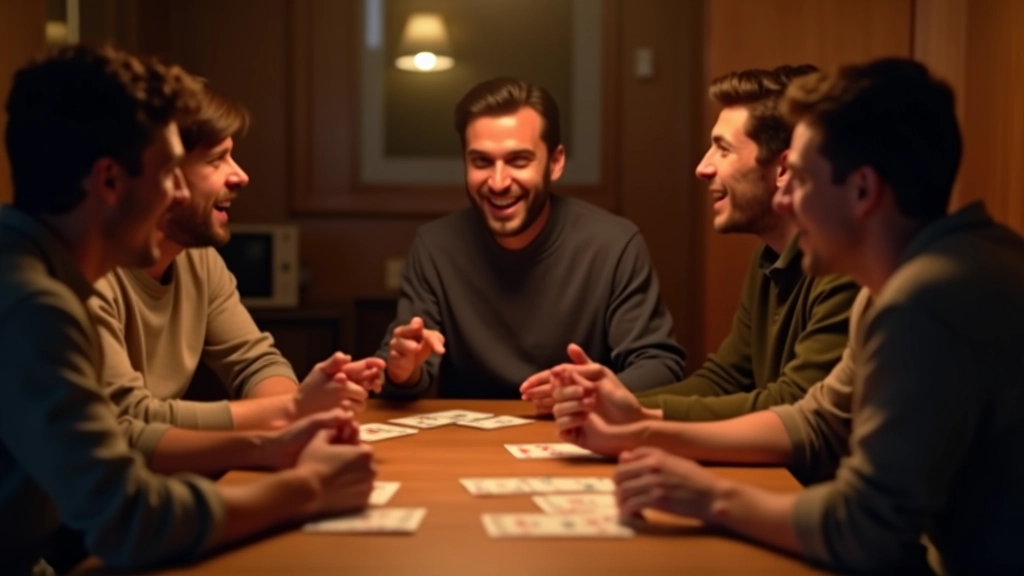
Most games last 30-45 minutes. Play 2-3 rounds in one night so people get different roles. After each round, reveal who was who. The reactions are the best part — someone will always say, “Wait, you were the Doctor? I thought you were Mafia the whole time!”
Pro Tips for First-Timers
Things we’ve learned from running dozens of nights.
Don’t Explain Everything at Once
People’s eyes glaze over with rules. Explain the basics, then teach by playing. First round is always chaotic and that’s fine.
Mix Up the Roles Each Round
Don’t let the same person be Mafia twice. Rotate. Give people who were quiet a chance to be Detective so they have power to speak.
Create Running Jokes
After a few rounds, patterns emerge. “Sarah always votes for whoever spoke last.” Lean into it. These become the fun part people remember.
Keep Snacks and Drinks Flowing
This matters more than you’d think. People relax, stay longer, and actually enjoy themselves instead of just “playing a game.”
Troubleshooting Common Issues
What happens when things don’t go as planned.
Nobody Talks During Discussion
This kills the game. You need to jump in and ask questions: “Who seemed nervous?” “Who defended that person too hard?” Get the conversation started. After one round, people usually loosen up.
The Same Person Gets Voted Out Every Round
People are bad at reading behavior at first. They vote for whoever speaks confidently or seems “shifty.” It’ll balance out. Don’t intervene — let the game teach them.
Someone Gets Actually Upset
Mafia is a betrayal game and emotions run high. That’s normal. If someone’s genuinely angry, pause the game, remind everyone it’s not personal, and keep it light. Consider removing them as Mafia if they can’t handle lying.
Players Keep Whispering to Each Other
Set a rule: “No private conversations outside the game.” If Mafia members whisper, it’s fine — that’s their power. But villagers getting hints from outside ruins it. Be strict about this.
Ready to Play
You’ve got everything you need. Print out some role cards, gather your people, dim the lights, and start with “Everyone close your eyes.” The first night is always a bit awkward — that’s okay. By round two, people will get it. By round three, they’ll be arguing, laughing, and accusing their best friends of being killers.
The magic of Mafia isn’t in complicated rules or fancy equipment. It’s in watching smart people make terrible decisions under pressure. It’s in the moment someone cracks and confesses they were lying. It’s real drama with real consequences, even if those consequences are just “you’re out for this round.”
Host your first night. You’ll definitely want to do it again.
Explore More Mystery Events

About This Guide
This article provides educational information about hosting Mafia game nights for entertainment purposes. Mafia is a social deduction game designed for groups of adults seeking interactive, cooperative entertainment. Results and player engagement will vary based on group dynamics, experience level, and interpretation of rules. We recommend establishing clear expectations with all participants before gameplay begins. This guide is informational and not a guarantee of specific outcomes or player satisfaction.