
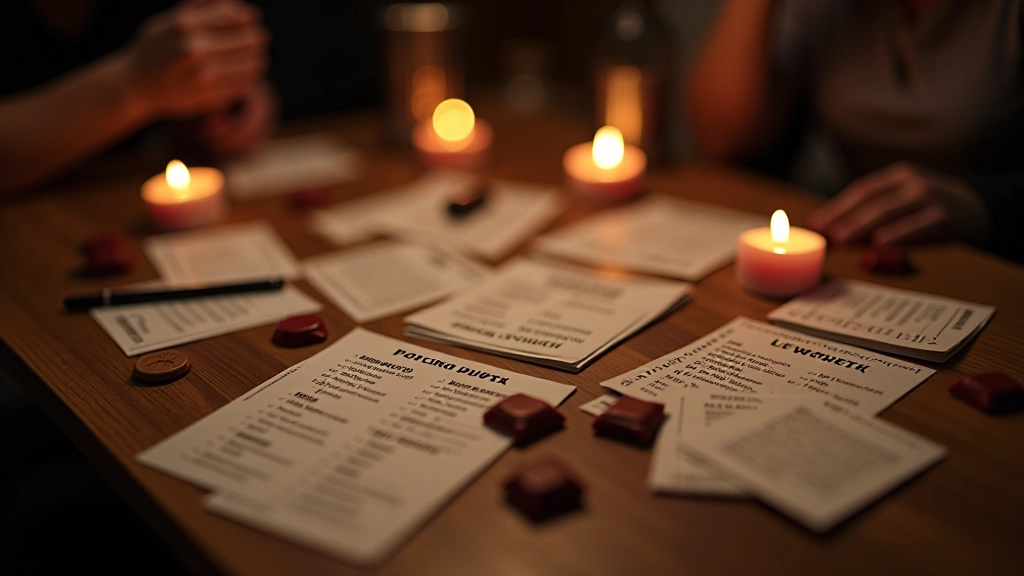
How to Host Your First Mafia Game Night
Step-by-step instructions for setting up rules, assigning roles, and managing discussions. Learn how to create an engaging experience for 6-12 players in your own space.
Read MoreYour practical guide to discovering organized mafia tournaments, detective parties, and role-playing gatherings in your region

Portugal’s got a vibrant community of mystery game enthusiasts. Whether you’re looking for your first mafia night or you’re a seasoned player searching for new groups, finding the right events takes some strategy. The good news? There are more opportunities than you might think scattered across the country — from casual neighborhood gatherings to organized tournaments with serious players.
This guide walks you through the actual ways people discover mystery events here. We’re talking real spots, real communities, and real tactics that work. You’ll learn where to look, how to vet groups, and what to expect when you show up. Most importantly, you’ll find out how to connect with people who actually know the game.

Online communities are honestly where most discovery happens. Facebook groups dedicated to board games and social gaming in Portugal are surprisingly active — you’ll find announcements for upcoming events, people looking to form groups, and detailed discussions about different venues. Don’t overlook regional groups either. Cities like Lisbon, Porto, and Covilhã have their own dedicated communities where locals organize regular sessions.
Instagram’s another channel worth checking. Event organizers post about themed nights, special tournaments, and new venues using hashtags like #mafiaportugal or #mysterygamespt. It’s more visual, so you’ll get a feel for the atmosphere and crowd before committing. Then there’s the direct approach — game cafés and board game lounges often host mystery events. They’re physical spaces where you can ask staff directly about upcoming sessions or meet other players in person.


Not all mystery game groups are created equal. Some run tight, competitive tournaments. Others are casual hangouts focused on fun and socializing. Neither’s wrong — you just need to find what matches your style. Before showing up to your first event, do some digging. Check how long the group’s been active. Look at recent posts and comments — do people seem engaged? Are they discussing strategy, sharing laughs, or both? That tells you something real about the vibe.
Ask questions directly. Reach out to an organizer and ask about the typical crowd size, experience level, and what the evening actually involves. Good organizers welcome questions — it’s a sign they take things seriously. You’ll want to know if they’ve got rules written down, how they handle new players, and whether they rotate roles fairly. Most established groups have been running events for 2-3+ years and have developed systems that work. That experience matters.
Watch out for red flags: groups with no recent activity, organizers who avoid questions, or communities where people complain about fairness. Your first experience shapes whether you’ll actually keep playing. Pick a group that’s transparent about how they operate.
Check your city’s board game cafés first. They’re hubs where regulars gather and organizers advertise. Even if they don’t host mafia nights directly, staff can point you toward groups that do. You’ll build connections face-to-face, which honestly makes joining easier.
Different groups have different vibes. Joining 2-3 communities gives you options. Some might focus on tournament-level play while others are purely social. You’ll discover which style you prefer and meet more experienced players who can mentor you.
Show up consistently, engage in discussions, and be someone others want to play with. Communities value reliable players who take the game seriously but don’t take themselves too seriously. After a few sessions, you’ll get invitations to special events and tournaments.
Many groups run special events — detective-themed nights, costume parties, or tournaments with prize support. These attract broader crowds and are great for meeting new people. They’re also fun learning opportunities where you’ll pick up new strategies and techniques.
Show up a bit early. Most groups meet 15-30 minutes before the actual game starts. You’ll get oriented, meet the organizer, and meet other players in a less intense setting. Bring something to write with — even experienced players take notes during the game. It helps you remember who said what and track the logic of discussions.
Expect games to run 2-4 hours depending on player count and experience. Some groups play multiple rounds in one evening. It’s exhausting in a good way — you’ll be analyzing, arguing, laughing. Wear comfortable clothes. You’ll be sitting for a while, and you want to focus on the game, not your outfit.
Budget for location costs. Most groups meet in cafés or restaurants where you’re expected to order something — usually 10-20 euros for food or drinks. A few organized tournaments charge entry fees (usually 5-10 euros) that go toward organizing the event and sometimes prize support.
Be honest about your experience level. Tell the organizer if you’re completely new. Good groups have experience distribution and will explain rules clearly. They’ll pair newer players with veterans who can guide them through their first game without giving away strategy.

Portugal’s mystery game scene isn’t just concentrated in major cities. Here’s what you should know about different regions:
The largest concentration of active groups. You’ll find multiple game cafés hosting events weekly, several Facebook communities with 500+ members, and regular organized tournaments. Competition’s higher here, but there’s something for every skill level.
Growing community with 2-3 active organizers running events monthly. Groups tend to be tighter-knit, which means faster friendships but you need to get in the loop through social connections or consistent Facebook monitoring.
Strong student-driven communities. Events are casual and frequent — sometimes weekly during the academic year. Student groups are welcoming to newcomers and often organize themed tournaments. Summer activity drops when students leave.
You won’t find regular organized groups, but communities do exist. Look for gaming groups on Facebook that might include mystery games alongside other interests. Sometimes you’ll need to propose starting a local group — many communities form around one passionate organizer.
“Honestly, I was nervous about joining my first group. But everyone was so welcoming, and after three games I felt like I’d known them forever. The best part? They actually taught me strategy without making me feel stupid for being new. Now I’m the one bringing my friends to events.”
— Helena, 31, Lisbon
Finding mystery events across Portugal doesn’t require luck or inside connections. It takes curiosity and a bit of effort to search the right places. Start with Facebook groups in your city, check local game cafés, and don’t be shy about asking questions. The mystery game community here values genuine interest and enthusiasm — you don’t need experience, just willingness to learn and play.
Your first event will probably feel chaotic. That’s normal. You’ll miss clues, misread players, and maybe make weird logic jumps. That’s how everyone starts. What matters is that you’ll be playing with people who get it, who love the strategy and psychology of the game, and who want more players in the community.
Begin searching this week. Join one Facebook group, visit one game café, or reach out to one organizer. You’ll be surprised how quickly you move from “looking for events” to “planning which events to attend.”


This guide is informational and reflects general practices within Portugal’s mystery game community. Event availability, group activity levels, and community dynamics change regularly. Always verify event details directly with organizers before attending. While we’ve described the landscape accurately, specific groups mentioned may change their meeting times, locations, or status. Community standards and expectations vary — always clarify what’s expected before your first event. This content is for educational purposes and doesn’t constitute recommendations or endorsements of any specific group or event.