
How to Host Your First Mafia Game Night
Step-by-step instructions for setting up rules, assigning roles, and managing discussions in your first organized mystery game.
Read MoreTechniques for weaving complex narratives, planting clues strategically, and creating plot twists that genuinely surprise experienced players.

Creating a mystery that keeps experienced players genuinely uncertain isn’t about hiding information. It’s about architecture. You’re building a structure where multiple interpretations feel equally plausible until the final reveal. The best plots don’t trick players — they guide them down logical pathways that happen to lead somewhere unexpected.
We’re talking about mysteries that work for people who’ve played dozens of games. They’ve seen the patterns. They know the common twists. So you can’t rely on surprise alone. You need depth. You need consistency. You need a plot where every clue fits, every character motive makes sense, and the solution feels inevitable in hindsight but wasn’t obvious during play.

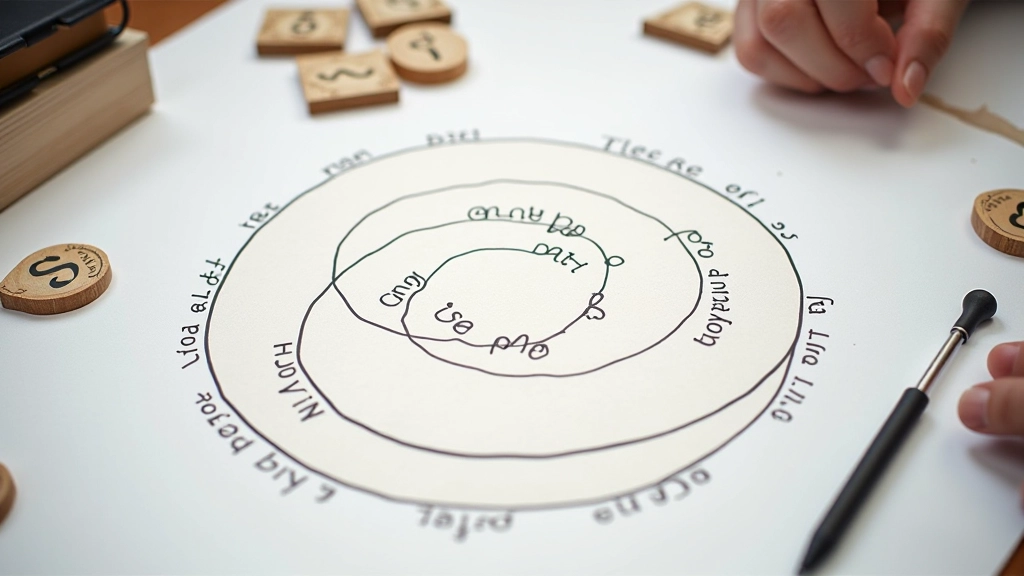
Every convincing mystery needs three distinct layers working together. The first layer is what players see — the surface narrative. This includes the crime itself, the apparent suspects, and the obvious motives. It’s the story everyone notices immediately.
The second layer is what players figure out. These are the logical deductions they make by connecting clues. You want this layer to feel smart. When players realize something through their own reasoning, they own that discovery. It’s not a trick — it’s a genuine puzzle they’ve solved. This is where most of your actual plot development happens.
The third layer is the hidden architecture. It’s the layer where you’ve designed in fallbacks, misdirections, and alternative solutions that seem just as valid. If a player correctly deduces part of the truth early, their story doesn’t collapse. It shifts. A secondary suspect becomes viable. A different motive emerges. Your plot stays coherent even when players discover things out of sequence.

You’re not planting clues — you’re orchestrating a discovery sequence. The timing matters more than the clues themselves. Early clues should establish the crime and create obvious suspicion. Someone’s guilt looks apparent in the first 20 minutes. That’s intentional. You want players confidently wrong.
Mid-game clues introduce doubt. Maybe the obvious suspect has an alibi. Maybe someone else’s motive becomes clearer. A clue that seemed minor in Act One suddenly matters in Act Two. This is where you introduce complexity. Players start questioning their initial assumptions.
Late-game clues reframe everything. They don’t introduce new information so much as connect existing information differently. A timeline that made sense one way now suggests a completely different sequence of events. The key is consistency — players should be able to reconstruct how they missed the truth, and the answer should involve things they actually discovered, not information withheld until the reveal.
Each character needs at least two legitimate reasons to be a suspect. Not fake reasons — actual, valid reasons based on motive, means, or opportunity. The person who committed the crime has motive A. But person B also has motive A, or motive B that’s equally compelling. Person C has a different motive but matching opportunity.
This creates natural ambiguity. When players interview the actual culprit, that character’s answers make sense. When they interview innocent suspects, those characters’ answers also make sense. Nobody’s obviously lying. Nobody’s obviously guilty. The distinction emerges through careful comparison and logic, not through tells or obvious falsehoods.
Consider this practically: if you have 6 suspects, ideally 4 of them could plausibly be guilty based on the clues alone. The final reveal eliminates suspects not through dramatically inconsistent statements, but through details that fit the guilty party’s situation better than anyone else’s. A timeline works for them in ways it doesn’t quite work for others. Their stated location aligns with physical evidence in a way that’s slightly more convenient than for anyone else.

A plot twist that lands with experienced players has three essential qualities. First, it’s foreshadowed. Not obviously. Not heavily. But clues point toward it. When the reveal happens, players should be able to trace back and think, “Oh, that moment meant something different than I thought.”
Second, it recontextualizes evidence players already have. They don’t learn new information so much as understand old information differently. A character’s odd behavior now makes perfect sense. A timeline they’d accepted suddenly seems suspicious. A seemingly innocent detail becomes crucial.
Third, it doesn’t invalidate player reasoning. If they deduced something incorrect but logical, their reasoning was sound. They just reached the wrong conclusion from incomplete information. That’s fair. That’s good mystery design. You’re not cheating them with information only you had.

Create a master timeline for yourself that shows everything that actually happened. Thirty minutes of activity might be your core plot, but write out the entire evening. What was every character doing? Where were they? What were they thinking? This document never goes to players, but it’s your reference for consistency. When someone asks where a character was at 9:15 PM, you know instantly because you’ve worked it out completely.
Build in flexibility. Create 3-4 alternative solutions that fit most of your evidence equally well. You know which one’s correct, but design the mystery so that if players convince themselves of a different answer, you can work with it. If they identify the wrong culprit but their logic is sound, you have options: they might catch their own mistake before the reveal, or you can acknowledge their deduction was brilliant but incomplete.
Test your mystery with one trusted person before the actual game. Walk them through it. See where their logic diverges from yours. Where did they get confused? Where did they solve it too early? Where did they get completely stuck? Real feedback from one playtest catches problems that solo design misses. You’re looking for moments where the mystery either becomes obvious or completely opaque.

The best mysteries aren’t built on secrets. They’re built on architecture. You’re creating a structure where multiple interpretations feel valid until one interpretation fits better than all the others. Every clue serves double duty — it advances the surface narrative while contributing to the hidden layer. Every character has reasons to be suspicious that aren’t excuses but actual, legitimate suspicion.
You’re not trying to fool your players. You’re creating a puzzle where the solution emerges through their reasoning, their questions, and their deductions. When they solve it, they should feel clever. When they don’t, they should see exactly where their logic led them astray. That’s the experience that keeps experienced players coming back — not the gotcha moment, but the satisfaction of unraveling something genuinely complex.
Ready to design your next mystery event? Start with your three-layer foundation, build your character motives, and test ruthlessly. The complexity emerges from careful planning, not improvisation.


This article provides educational techniques for designing mystery plots based on established game design principles and community practices. The approaches described reflect common methodologies used in organized mystery events and role-playing communities. Results and effectiveness vary based on your specific players, setting, and execution. This guide is informational and intended to help you understand mystery design — not as a guarantee of specific outcomes. Game design involves creativity, testing, and adaptation to your unique group dynamics.